
Uncategorized
Counterfeit Euro
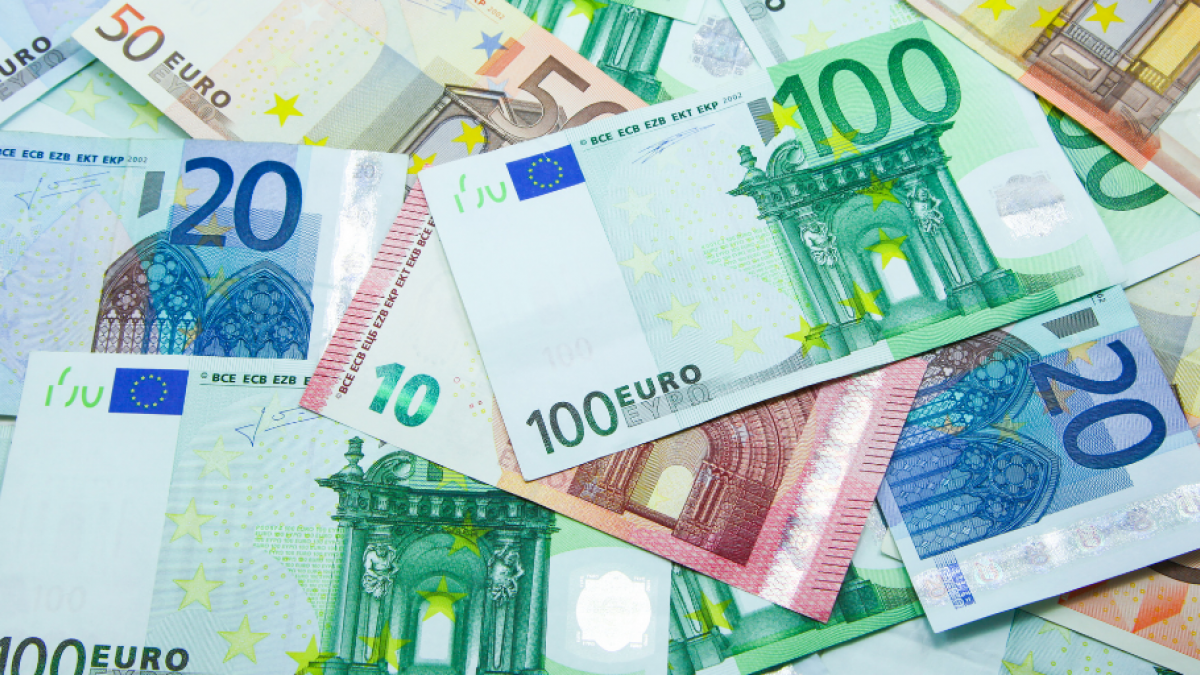
Oct
Counterfeit Euro
Counterfeit Euros are fake coins or banknotes that look real but are illegal. Using or making counterfeit Euros is a serious crime in Ireland and across Europe. Knowing how to spot fake money can protect you from fraud and legal trouble.
Why Do People Make Counterfeit Euros?
Counterfeit euros are fake euro notes or coins made to look like real money. Making counterfeit money is illegal and can cause serious problems for people and businesses. But why do some people still try to make fake euros? Let’s break it down.
1. Easy Money Temptation
The main reason people make counterfeit euros is simple: to make money illegally. Some think they can use fake euros to buy things without spending real money. While this might seem easy, it’s very risky. Getting caught can lead to heavy fines or prison in Ireland and across Europe.
2. Criminal Activities
Fake euros are sometimes used to fund illegal activities. Criminal groups may use counterfeit money to hide their real earnings or to support activities like drug trafficking, fraud, or smuggling. This is why authorities take counterfeiting very seriously.
3. Lack of Awareness About the Risks
Some people make or use counterfeit euros because they don’t understand the law or the consequences. They may think it’s harmless, but even possessing fake euros is a crime. In Ireland, authorities actively track and punish counterfeiting crimes.
4. Poor Job Opportunities
In some cases, individuals turn to counterfeiting because they face financial difficulties or have trouble finding work. This does not justify the crime, but it is one reason why some people take the risk.
5. Advanced Technology
Modern technology has made it easier to create fake euros. Computers, printers, and other tools can make counterfeit notes that look very real. Criminals sometimes use this technology to try to trick people or businesses.
Modern technology has made it easier to create fake euros. Computers, printers, and other tools can make counterfeit notes that look very real. Criminals sometimes use this technology to try to trick people or businesses.
How Counterfeit Euros Affect Ireland
Counterfeit euros are more than just fake money—they can have a real impact on Ireland’s economy and daily life. Here’s how:
1. Businesses Lose Money
When businesses unknowingly accept counterfeit euros, they lose real money. Shops, restaurants, and online stores can be tricked, which affects their profits and trust in cash payments.
2. Banks and ATMs Are Affected
Banks must spend extra time and money checking notes to prevent fake euros from circulating. ATMs may also reject counterfeit notes, causing inconvenience for customers.
3. Ordinary People Can Be Victims
Anyone can accidentally receive a fake euro in change. Using it unknowingly can cause problems, and reporting it can be stressful or confusing.
4. Harm to the Economy
Counterfeit euros reduce confidence in money. When people worry about fake money, it slows down transactions and business activity, which can affect Ireland’s economy.
5. Encourages Criminal Activity
Fake euros are often used to fund illegal activities. This can increase crime rates and make law enforcement work harder to keep communities safe.
How to Spot a Counterfeit Euro
Counterfeit euros can look very real, but there are easy ways to check if a note or coin is genuine. Knowing these tips can protect you from fake money in Ireland.
1. Check the Paper or Material
- Notes: Real euro notes are made from special cotton paper. Fake notes may feel too soft, too smooth, or flimsy.
- Coins: Genuine euro coins are made with specific metals. Fake coins might feel lighter, too shiny, or uneven.
2. Look for Security Features on Notes
Euro notes have multiple features that are hard to copy:
- Hologram: Tilt the note—real notes have a shiny hologram that changes images.
- Watermark: Hold the note against light and you should see a watermark.
- Security Thread: A dark line runs through the note, visible when held to light.
- Microprinting: Tiny letters are printed clearly on real notes, but blurred on fakes.
3. Check the Colour and Print Quality
- Real euros have clear, sharp printing.
- Fake notes may have blurry edges, wrong colors, or faded patterns.
4. Feel the Raised Ink
- Some parts of a euro note, like the numerals and main design, feel slightly raised.
- Fake notes often feel flat.
5. Use a Counterfeit Detection Pen or Scanner
- Banks and businesses often use special pens or scanners that detect fake notes.
- These tools are reliable and easy to use.
6. Trust Your Instincts
Take it to a bank or Garda station for verification.
If something feels wrong or unusual, don’t use the money.
Legal Consequences of Using Counterfeit Euros in Ireland
Using or possessing counterfeit euros is illegal in Ireland. The government takes counterfeiting very seriously, and the consequences can be severe.
1. Criminal Offense
Making, using, or even possessing counterfeit euros is a criminal offense under Irish law. This applies to both notes and coins.
2. Fines and Imprisonment
If caught with fake euros, you could face:
- Heavy fines – which can be thousands of euros depending on the case.
- Imprisonment – serious counterfeiting offenses can lead to several years in jail.
3. Criminal Record
A conviction for using counterfeit money will give you a criminal record. This can affect:
- Employment opportunities
- Travel to other countries
- Reputation and personal life
4. Confiscation of Fake Money
Authorities will confiscate any counterfeit euros found in your possession. You will also lose the real value of the fake money, so you effectively pay for your mistake twice.
5. Impact on Businesses
Even accidentally passing counterfeit euros to a business can lead to legal trouble. Businesses are required to report fake notes, which can trigger police investigations.
How Authorities Detect Counterfeit Euros
Authorities in Ireland and across Europe use advanced methods to detect counterfeit euros and keep the currency safe. Here’s how they do it:
1. Bank and Shop Detection Tools
- Counterfeit detection pens: Special pens mark notes to see if the paper is genuine.
- UV light scanners: Real euro notes have invisible features that show up under ultraviolet light.
- Automatic currency counters: Many banks and shops use machines that scan and verify notes quickly.
2. Security Features Check
Authorities check the security features built into euro notes, such as:
- Holograms
- Watermarks
- Microprinting
- Security threads
Fake notes often fail these tests.
3. Advanced Technology
- Digital scanners and sensors detect fake coins and notes with high accuracy.
- Forensic analysis can identify counterfeit money by examining the paper, ink, and design at a microscopic level.
4. Monitoring Criminal Activity
- Authorities track suspicious transactions and individuals involved in illegal cash circulation.
- Cross-border cooperation with the European Central Bank and other law enforcement agencies helps catch counterfeiters.
5. Public Education
This helps reduce the circulation of fake money by alerting people before they spend it.
The government and banks educate the public on how to spot counterfeit euros.
FAQs About Counterfeit Euros
Q1: What is a counterfeit euro?
A counterfeit euro is fake money made to look like a real euro note or coin. It is illegal to make, use, or possess.
Q2: How can I spot a counterfeit euro?
Look for:
- Wrong colors or blurred printing
- Missing security features (watermarks, holograms, microprinting)
- Poor quality paper or metal
- Raised ink that feels flat
Q3: What should I do if I receive a fake euro?
Do not spend it. Take it to a bank or report it to the Gardaí immediately.
Q4: Is using counterfeit euros illegal in Ireland?
Yes. Using, possessing, or making counterfeit euros is a criminal offense. Convictions can lead to fines, imprisonment, and a criminal record.
Q5: Why do people make counterfeit euros?
People usually make fake euros for easy money, criminal activities, or financial difficulties, but it is extremely risky and illegal.
Q6: How do authorities detect counterfeit euros?
Authorities use UV scanners, counterfeit detection pens, security feature checks, and forensic analysis to identify fake money.
Q7: Can counterfeit euros affect the economy?
Yes. Fake euros harm businesses, banks, and ordinary people, and reduce confidence in money, which can slow down economic activity.
